
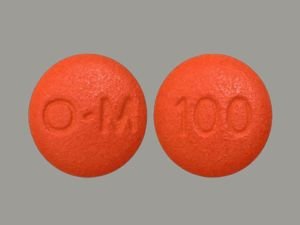
Tapentadol 100 mg
Overview
Tapentadol is a prescription opioid analgesic that acts on the central nervous system to relieve pain. It has two primary mechanisms of action: it activates opioid receptors and inhibits the reuptake of norepinephrine.
Depending on the formulation, tapentadol may be prescribed for certain moderate-to-severe pain conditions. Extended-release formulations may be used for severe, persistent pain when continuous opioid treatment is appropriate.
Tapentadol can cause respiratory depression, misuse, abuse, addiction, physical dependence, overdose, and death. It should only be used under the supervision of a qualified healthcare professional.
Uses
Tapentadol may be prescribed for certain moderate-to-severe acute pain conditions.
Some extended-release formulations may be prescribed for severe, persistent pain requiring continuous opioid treatment.
The exact indication depends on the formulation and the prescribing information for the specific product.
Dosage and Administration
The appropriate dose depends on the formulation, severity of pain, previous opioid exposure, medical condition, response to treatment, and other medications.
Take tapentadol exactly as prescribed. Do not increase the dose, take it more frequently, or use another person’s medication.
If the product is an extended-release formulation, follow the specific product instructions and do not crush, chew, dissolve, or otherwise alter it unless the official product instructions specifically permit this.
Common Side Effects
Possible side effects include:
- Nausea
- Vomiting
- Dizziness
- Drowsiness
- Constipation
- Headache
- Dry mouth
- Fatigue
- Stomach discomfort
- Sweating
Tapentadol can impair alertness, reaction time, and coordination. Avoid driving or operating machinery if you feel impaired.
Serious Side Effects
Seek immediate medical attention for:
- Slow, shallow, or difficult breathing
- Extreme sleepiness or inability to wake
- Loss of consciousness
- Severe dizziness or fainting
- Severe allergic reaction
- Confusion
- Seizures
- Symptoms of serotonin syndrome
Serotonin syndrome may involve agitation, hallucinations, fever, sweating, rapid heartbeat, muscle stiffness, tremor, or loss of coordination and requires urgent medical evaluation.
Warnings and Precautions
Tapentadol carries serious risks of misuse, abuse, addiction, physical dependence, respiratory depression, overdose, and death.
The risk of respiratory depression is particularly important when tapentadol is taken with alcohol, benzodiazepines, or other central nervous system depressants.
Tell your healthcare professional if you have breathing problems, liver or kidney disease, a history of seizures, head injury, or a history of substance-use disorder.
Drug Interactions
Tell your healthcare professional about all prescription medicines, over-the-counter medicines, supplements, and recreational substances you use.
Important interactions may include:
- Alcohol
- Benzodiazepines
- Other opioids
- Sleeping medicines
- Other central nervous system depressants
- Certain antidepressants
- Monoamine oxidase inhibitors (MAOIs)
- Other medicines affecting serotonin or norepinephrine
Combining tapentadol with other sedating medicines can increase the risk of respiratory depression. Certain combinations can also increase the risk of serotonin-related toxicity.
Pregnancy and Breastfeeding
Tell your healthcare professional if you are pregnant, planning to become pregnant, or breastfeeding.
Prolonged opioid use during pregnancy can result in neonatal opioid withdrawal syndrome. Opioids can also pass into breast milk and may cause sedation or breathing problems in an infant.
A healthcare professional should assess the potential risks and benefits.
Dependence and Withdrawal
Regular opioid use can cause tolerance and physical dependence.
Stopping tapentadol suddenly after regular use may result in withdrawal symptoms such as:
- Anxiety
- Restlessness
- Sweating
- Muscle aches
- Insomnia
- Runny nose
- Nausea
- Vomiting
- Abdominal cramps
- Diarrhea
Do not abruptly discontinue regular opioid treatment without medical guidance.
Overdose
An overdose can cause extreme drowsiness, pinpoint pupils, slowed or stopped breathing, loss of consciousness, coma, and death.
If an opioid overdose is suspected, seek emergency medical assistance immediately. Naloxone is an opioid overdose-reversal medication that can temporarily restore breathing, but emergency medical evaluation remains necessary.
Storage and Disposal
Store tapentadol securely and out of reach of children and anyone for whom it was not prescribed.
Never share prescription opioids. Follow local pharmacy or healthcare-authority instructions for safe disposal of unused medication.
Important Safety Information
Tapentadol 100 mg should only be taken exactly as prescribed.
Do not combine tapentadol with alcohol, benzodiazepines, sleeping medicines, or other sedating substances unless specifically directed by a healthcare professional.
Do not drive or operate machinery if the medication causes drowsiness, dizziness, or impaired coordination.
If severe breathing difficulties, inability to wake, loss of consciousness, or suspected overdose occurs, seek emergency medical assistance immediately.
This information is for educational purposes only and does not replace the official prescribing information or advice from a qualified healthcare professional.

Reviews
There are no reviews yet.